The Eurovision Song Contest 2026 in Vienna is set to bring one of Europe’s biggest cultural events back to Austria’s capital. For Vienna, this is more than another date in the events calendar. It is a chance to connect its long-standing reputation as a city of music with a modern celebration of creativity, performance and international exchange. As the host city, Vienna will not only welcome artists and delegations, but also fans, visitors and local communities who want to experience the atmosphere around the contest.
Alongside Vienna’s preparations, the article looks at what Ipsos iSay visitors and members think about the contest and its possible impact.
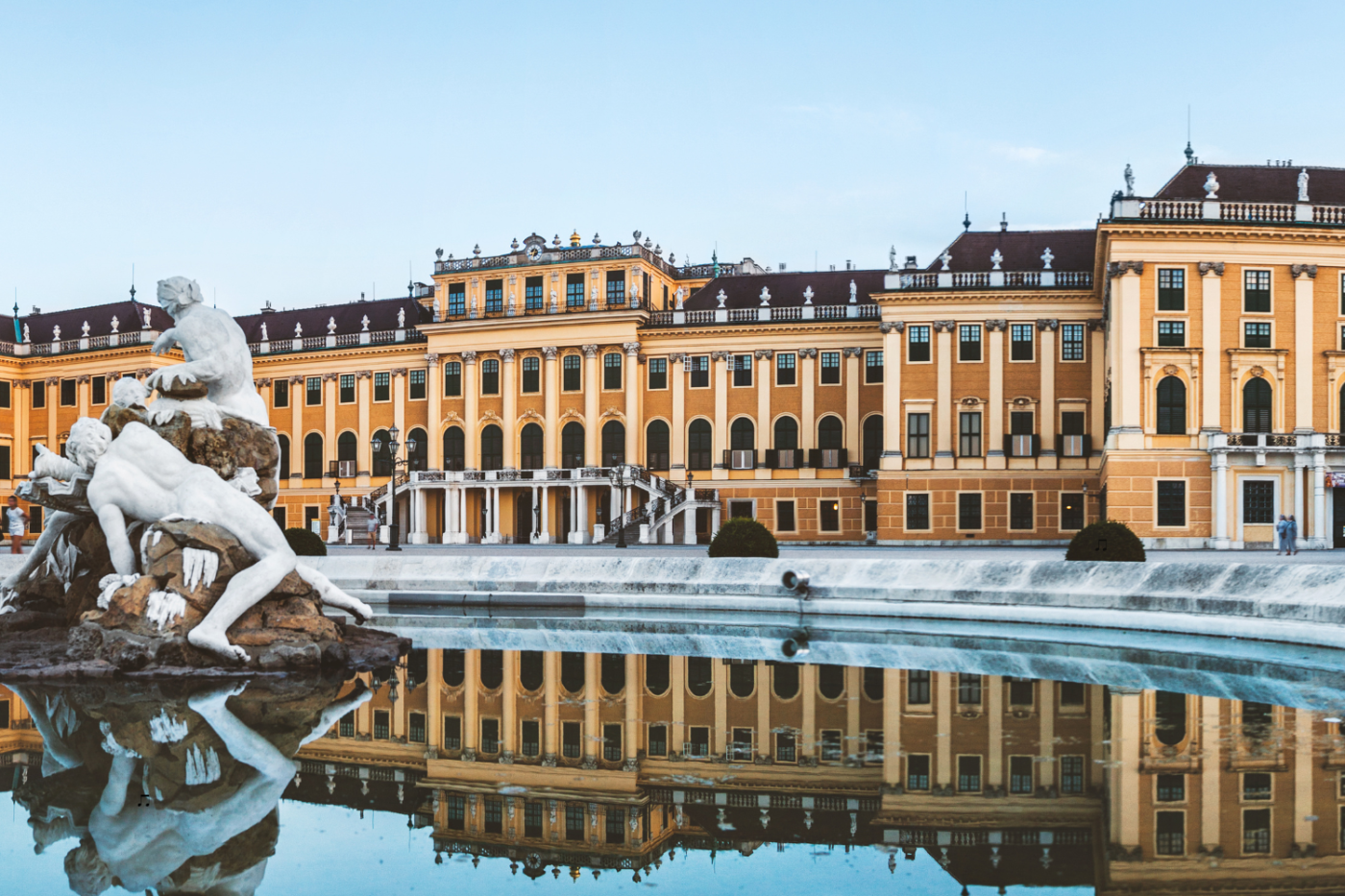
Vienna prepares for Eurovision beyond the main stage
As Vienna prepares for Eurovision, much of the focus is on creating an experience that extends beyond the arena. Large events such as Eurovision depend on more than technical production, ticketing and transport. They also rely on public spaces, cultural venues, hospitality, local businesses and clear visitor guidance.
For many people, the appeal of Eurovision in Vienna will not be limited to the live shows. Public screenings, fan meeting points, music events and cultural activities can turn the contest into a citywide experience. This helps make Eurovision accessible to people who may not have tickets, while still allowing them to be part of the wider celebration.
Why the ESC (Eurovision Song Contest) fits Vienna’s cultural identity
Vienna has a strong musical identity, shaped by classical heritage, opera, concerts and a deep connection to performance culture. Hosting Eurovision again gives the city an opportunity to show that this identity is not only historical, but also contemporary and open to change.
The ESC in Vienna brings together pop music, national representation, visual storytelling and live entertainment. That combination fits naturally into a city known for culture, while also presenting Vienna to audiences who may associate it mainly with tradition. In this sense, the Eurovision Song Contest can help broaden how international visitors perceive the Austrian capital.
What Ipsos iSay members and visitors say about travel interest
Insights from Ipsos iSay “Question of the Day” poll voters show that Eurovision can influence travel interest, but not always in the same way. In our Ipsos iSay poll among EU respondents, 10.6% said a major cultural event like Eurovision would definitely make a city such as Vienna feel more exciting, while 7.7% said it could strongly shape their travel plans. Another 15.1% felt that Eurovision would add to the appeal of the destination, even if it would not be the main reason for their trip.
Among Ipsos iSay members and visitors who shared their views in the “Question of the Day” section, the results suggest that Vienna does not depend on Eurovision alone to attract visitors. While 39.1% said major events do not influence their travel choices, 27.6% would consider visiting Vienna regardless of the contest. For the Eurovision Song Contest 2026 in Vienna, this creates an interesting balance: the event can spark extra curiosity and excitement, especially among fans, while the city’s culture, music heritage and atmosphere remain powerful reasons to visit in their own right.
How past host countries remember Eurovision
The “Question of the Day” also looked at how members in countries that have hosted Eurovision before remember that experience. The answers show that hosting the contest can create pride, but not for everyone in the same way. While 9.7% said it made them feel incredibly proud and 19% saw it as exciting and positive for their country’s image, the largest share, 34.6%, felt neutral because it did not affect them personally. Another 31.8% said they were either not aware of the event or not especially interested.
For the Eurovision Song Contest in Vienna, the views of our members and visitors add an important perspective: Eurovision can be a powerful cultural showcase, but its emotional impact depends on how closely people feel connected to the contest, the host city and the wider celebration around it.
What the ESC in Austria means for local communities
The ESC in Austria can create benefits for local communities in different ways. Hotels, restaurants, cafés, shops and transport providers may see increased demand during Eurovision week. Cultural institutions and local event organisers can also use the moment to reach new audiences.
At community level, the contest can create a sense of shared visibility. Residents may experience their city through the eyes of international guests, while public events can give locals a way to take part without attending the main shows. For some, Eurovision will be a major highlight. For others, it may simply add energy and colour to everyday city life.
Tourism, visibility and a lasting impression
Eurovision is a short event, but its visibility can continue long after the final performance. Viewers see the host destination on screen, visitors share their experiences, and cultural coverage can shape future travel ideas. For Vienna, this creates a valuable opportunity to present itself as both historic and lively.
The ESC in Vienna is therefore not only about music. It is about how a city uses a major cultural moment to welcome people, support local activity and strengthen its international image. If Vienna succeeds in combining organisation, atmosphere and community involvement, Eurovision 2026 can become a memorable chapter for visitors and residents alike.
Join the Ipsos iSay community today
Eurovision shows how powerful shared opinions, cultural moments and public conversations can be. With Ipsos iSay, you can be part of that conversation beyond the contest. Join the Ipsos iSay online survey community for free, share your views on topics such as travel, culture, entertainment and everyday life, and collect points that can be redeemed for rewards.
Already an Ipsos iSay member? Log in to see available online surveys and keep sharing your opinion!
*These results represent Ipsos iSay web visitors across Europe, conducted April 24 – May 1st, 2026, and may not reflect the views of the general population.