Following an international football tournament isn't always as simple as switching on the television. Kick-off times don't always fit around work, family commitments or a good night's sleep. Some matches begin just as the working day starts, while others finish well after midnight.
Ahead of this summer's biggest football tournament, we asked Ipsos iSay members across Canada, the United States, the United Kingdom, France, Germany, Italy and Spain how they planned to fit the tournament into their everyday lives. Their responses reveal that while excitement matters, practical realities often shape how people experience the competition. This reflects a broader pattern seen in earlier Ipsos research. Looking back at the 2022 tournament in Qatar, 55% of adults across 34 countries planned to watch at least part of the competition, highlighting the enduring global appeal of international football tournaments even as viewing habits continue to evolve
In our previous article on football viewing habits, we explored the different ways members planned to follow the tournament, whether by watching every match, cheering on only their national team, catching the highlights or skipping the competition altogether. The same survey also revealed another side of the story: what might influence those viewing habits once everyday life gets in the way. With Sunday's football final on 19 July approaching, these findings also provide a timely snapshot of how Ipsos iSay members planned to balance work, family commitments and different kick-off times throughout the tournament.

National Pride Still Leads the Way
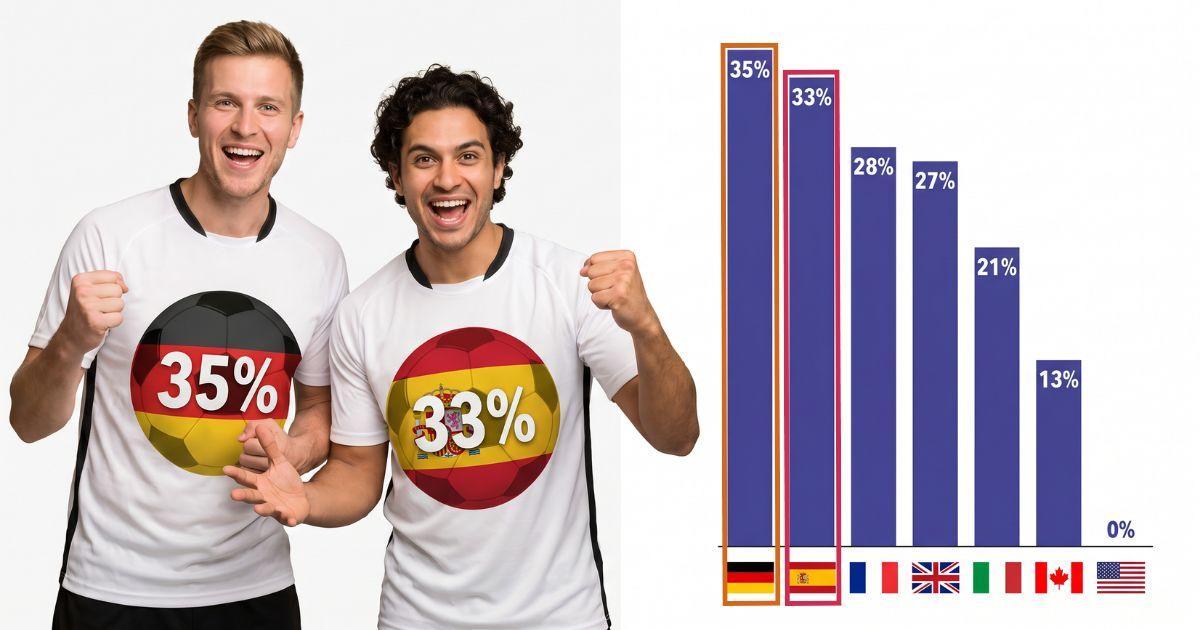
One of the strongest findings from our previous article was that 21% of Ipsos iSay members planned to watch only matches involving their national team. Looking a little deeper into the same survey reveals that this approach wasn't equally common everywhere.
Ipsos iSay members in Germany (35%) were the most likely to focus exclusively on their national team's matches, closely followed by Spain (33%), France (28%) and the United Kingdom (27%). Italian members were less likely to take this approach (21%), while only 13% of Canadian members said they planned to follow only their national team.
The findings show that, for many Ipsos iSay members, following the tournament isn't simply about football, it's about following the team that represents their country. Similar patterns emerged in our research around the Champions League Final, where emotional investment often mattered as much as football itself.
How Age Shapes Football Viewing Habits During International Tournaments
While our previous article focused on how members planned to experience the tournament, the same survey also revealed who was most likely to embrace it. One of the clearest differences emerged across age groups.
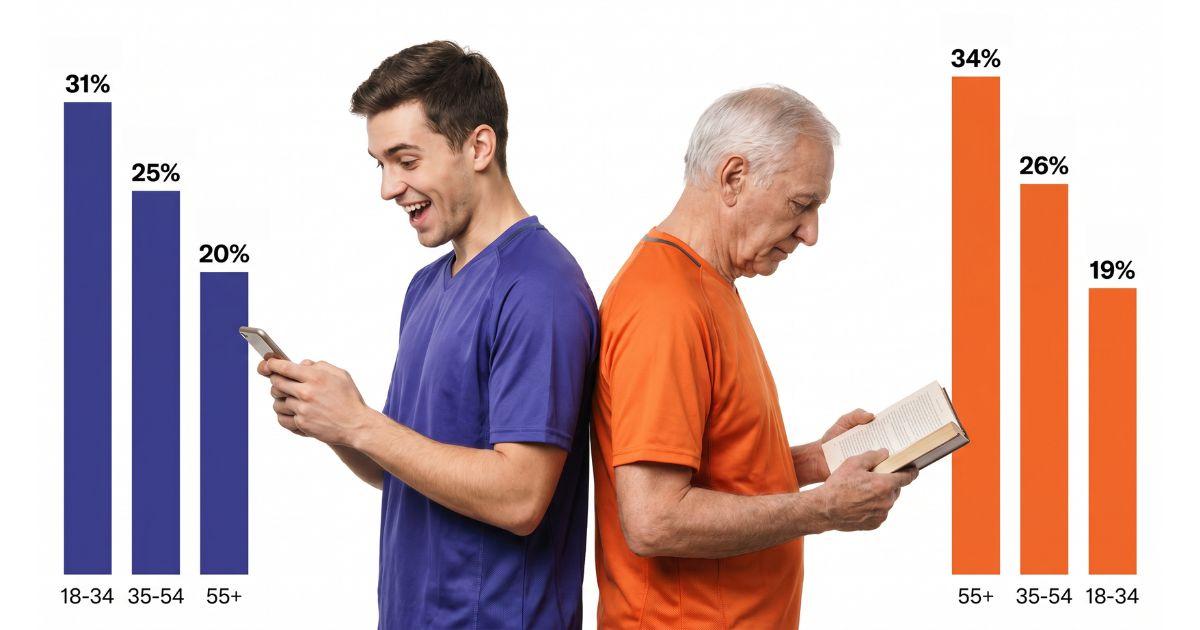
Among Ipsos iSay members aged 18–34, almost one in three (31%) planned to watch as many matches as possible, making them the most enthusiastic viewers overall. That enthusiasm became more measured with age. One quarter (25%) of members aged 35–54 planned to watch as many matches as possible, compared with one in five (20%) among those aged 55 and over.
The opposite pattern appeared among members who weren't planning to follow the tournament at all. More than one-third of respondents aged 55+ (34%) expected to sit this tournament out, compared with 26% of those aged 35–54 and just 19% of younger adults aged 18–34.
The results suggest that while every generation includes passionate Football fans, younger members were generally more likely to immerse themselves in the tournament.
Football Time Zones: How Fans Balance Live Football Viewing
Of course, enthusiasm only goes so far if matches kick off in the middle of the night.
For many European members, following the tournament meant deciding whether staying up late was worth it. More than one in four Ipsos iSay members (27%) said they planned to watch only matches that finished before midnight, while another 25% expected to rely on highlights and replays instead of watching live.
Not everyone planned to compromise. One in five members (20%) said they would happily stay up late or wake up early to watch their favorite teams live. Meanwhile, 17% admitted the time difference would prevent them from following the tournament closely.
Plans varied across Europe. Ipsos iSay members in the United Kingdom (26%) were the most willing to sacrifice sleep for live matches. German members (35%) were the most likely to stick to earlier kick-offs, while Italian members (31%) most often planned to catch highlights and replays the following morning. Meanwhile, French members (26%) were the most likely to reserve live viewing for only the tournament's biggest occasions the semi-finals and final.
Rather than following one viewing pattern, members planned to adapt to the tournament around their own routines.
Football Work-Life Balance During the Tournament in North America
While Europe was thinking about bedtime, members in Canada and the United States faced a different challenge. With many matches taking place during the working day, the most common plan was simply to wait until work was over. Nearly three in ten North American members (29%) said they expected to watch matches after work.
Watching after work wasn't the only approach among North American members. Around 18% of respondents in Canada and the United States expected to multitask while working, keeping one eye on the match and another on their responsibilities. Another 13% planned to avoid spoilers and catch full-match replays later, while just 5% said they would take time off work specifically to watch football live.
Overall, the findings suggest that many North American members planned to fit football around their existing commitments rather than rearrange their schedules. This reflects a broader pattern seen in earlier Ipsos research. Ahead of the tournament in Qatar in 2022, 31% of likely viewers said they expected to miss work or school to watch matches, highlighting how major international football tournaments often require fans to balance everyday responsibilities with watching live sport.
Which Tournament Changes Influence Football Viewing Habits?
Beyond viewing schedules and everyday routines, we also asked Ipsos iSay members whether some of the tournament's biggest changes, including the host countries, the expanded 48-team format and the return to a traditional summer schedule, influenced how interested they were in following the competition. The results suggest that these changes weren't equally important to everyone.
Overall, 35% of members said the host countries had no influence on their level of interest; 47% said the expanded 48-team format made no difference, and 28% said the return to a traditional summer schedule didn't influence them either.
Views differed across the countries we surveyed. Spanish members were the least likely to dismiss the North American host countries as unimportant (18%), while Canadian members were the most likely to say the traditional summer schedule made no difference (44%). Meanwhile, members in the United Kingdom (44%) and Germany (40%) were the most likely to say the expanded 48-team format had no influence on their interest.
Together, these findings suggest that many Ipsos iSay members placed relatively little importance on the tournament's host countries, expanded format and traditional summer schedule when considering how interested they planned to be in following the competition.
Football Viewing Habits: Key Takeaways from the Ipsos iSay Survey
In our previous article, we explored the many different ways Ipsos iSay members planned to experience this summer's biggest football tournament. Looking deeper into the same survey reveals an equally interesting story: how age, everyday routines and tournament features shaped those viewing plans.
Some members were prepared to sacrifice sleep. Others planned to fit matches around work or rely on highlights instead. Younger members were generally more eager to immerse themselves in the tournament, while every generation found its own way to experience the competition.
Taken together, the findings from our survey show there isn't a single way to experience this summer's biggest football tournament. That echoes Ipsos' global research ahead of the tournament in Qatar, where 85% of likely viewers expected to watch matches with friends or family. Four years later, Ipsos iSay members continue to show that while viewing habits may differ by country and daily routine, major international football tournaments remain shared experiences. Whether you're watching every match, following only your national team, fitting matches around work, staying up for a late-night kick-off or catching the highlights over breakfast, every approach reflects a different way of making the tournament part of everyday life.
Join the Conversation with Ipsos iSay
At Ipsos iSay, every survey is a chance to have your say. Whether it's sports, travel, technology or the latest trends, your opinion helps shape research that makes a difference. Join our community today and start earning rewards for sharing what you think.
Frequently Asked Questions
Which countries were most likely to watch only their national team?
Ipsos iSay members in Germany (35%) were the most likely to say they planned to watch only matches involving their national team, followed by Spain (33%), France (28%) and the United Kingdom (27%).
Did age influence how closely people planned to follow the tournament?
Yes. Members aged 18–34 were the most likely to watch as many matches as possible (31%), while members aged 55 and over were the most likely not to follow the tournament at all (34%).
How did European members plan to watch the football final and other late-night matches?
Twenty-seven percent planned to watch only matches finishing before midnight, while 25% expected to rely on highlights and replays. Another 20% said they would stay up late or wake early to watch football live.
Did the tournament's new features influence interest?
Many respondents said they did not. Overall, 35% said the host countries had no influence on their interest, 47% said the expanded 48-team format made no difference, and 28% said the return to a traditional summer schedule didn't influence how closely they planned to follow the tournament.
*Source: Ipsos iSay survey on viewership intent and behaviour around 2026 World Football tournament. Base: 1,630 online adults aged 18–75+ across the United States, Canada, the United Kingdom, France, Germany, Italy and Spain interviewed 19 May–10 June 2026.
Ipsos Global Advisor, “Attitudes Towards the FIFA World Cup 2022 in Qatar”, conducted among 22,528 online adults under the age of 75 across 34 countries on the Ipsos Global Advisor online platform, interviewed between 26 August and 9 September 2022.