What’s the easiest way to travel the world without leaving your hometown? Grab a fork.
Food is more than just fuel.
It’s how we connect.
It’s how we celebrate, explore, and discover cultures beyond our own. From the tang of Thai chili to the warmth of Brazilian stews, international cuisine invites us to experience the world one bite at a time.
And let’s be honest: not everyone has the time, or the budget, for global travel these days. But a new dish? A local food truck? A recipe that makes your kitchen smell like a Mediterranean café? That’s doable.
So we asked the Ipsos iSay community*:
Which international cuisine would you be most excited to try for the first time?
How would you most like to experience a new international cuisine?
What’s the most exciting part about trying a new international cuisine?
The results?
They reveal just how deeply food connects us, and how eager people are to taste something new.
Let’s dig in.
With Ipsos iSay, you can contribute to impactful research like this and shape future trends with your insights and opinions. Plus, enjoy earning rewards as you make your voice heard. Haven't joined yet? Sign up today and be part of the conversation!
International Cuisine - What People Want to Try First
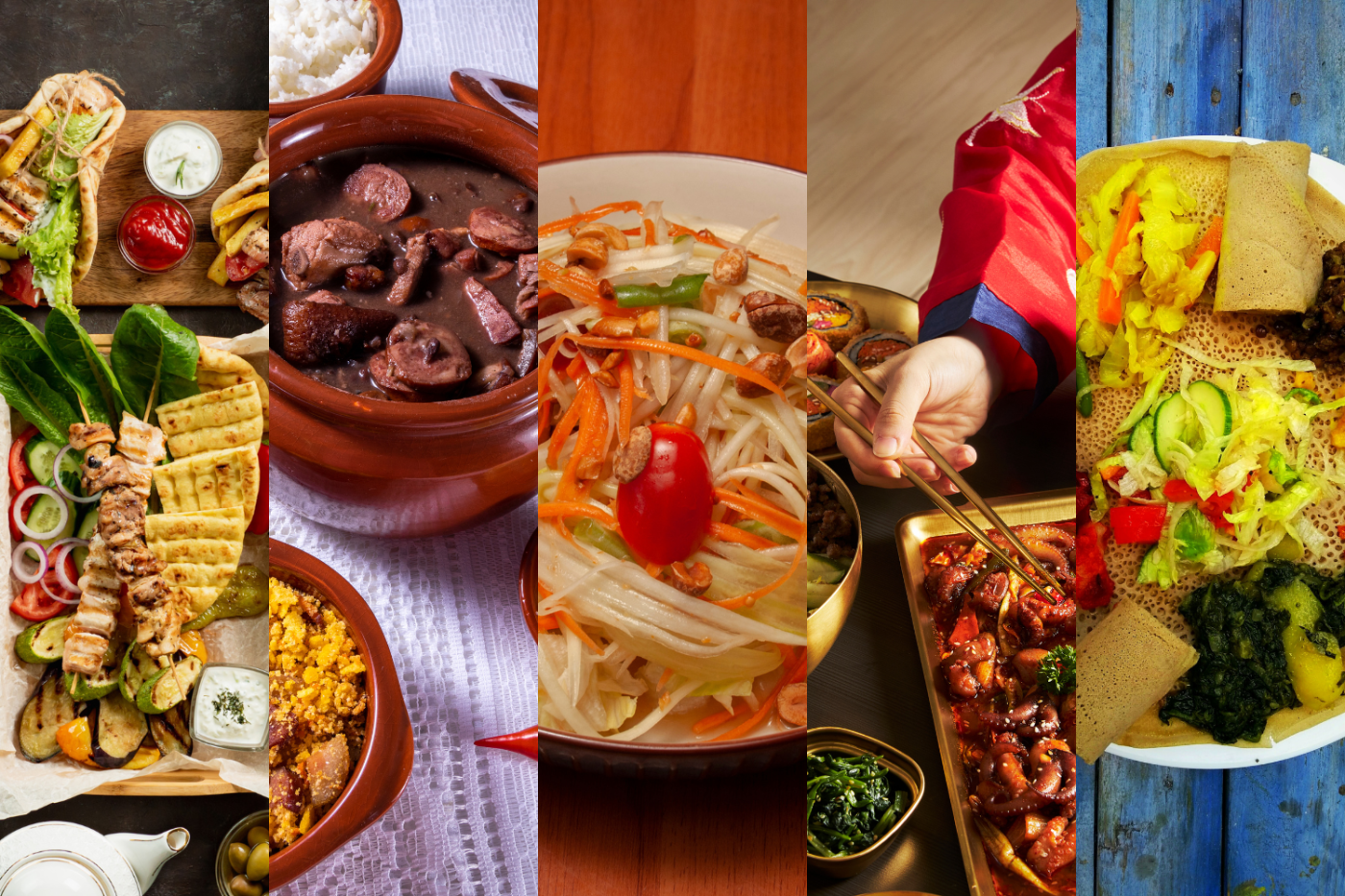
When it comes to international cuisine, curiosity and cravings run deep. According to the Ipsos iSay community, these five cuisines top the list for first-time tasting. Each brings its own culinary heritage, rich cooking traditions, and mouthwatering appeal.
Greek Cuisine
Just under one in four respondents (24%) said Greek cuisine tops their must-try list, and it’s easy to see why. This Mediterranean classic is known for turning fresh vegetables, herbs, olive oil, and lemon into flavourful dishes that feel both light and satisfying.
From flaky spanakopita and grilled souvlaki to chickpea-packed hummus and tangy tzatziki, Greek cuisine is steeped in culinary heritage and rooted in wholesome ingredients. It’s also a go-to for those drawn to the Mediterranean diet or vegetarian options.
Brazilian Cuisine
Also chosen by 24% of members, Brazilian cuisine is a vibrant celebration of flavour and diversity. A fusion of Indigenous, African, and Portuguese influences, it features bold seasoning, saucy stews, and plenty of meat dishes, served with soul and style.
If you’re tucking into a feijoada (a rich black bean and pork stew) or snacking on pão de queijo (cheese bread), Brazil’s culinary traditions are all about comfort, community, and a whole lot of flavour.
Thai Cuisine
Thai cuisine came in next, selected by 16% of members. With its delicate balance of salty, sweet, spicy, and sour notes, Thai food delivers a full sensory experience. And it’s not just about the flavour. It’s the artistry of the cooking techniques.
Dishes like pad Thai, green curry, and tom yum soup offer layers of complexity, often made with local ingredients and infused with a deep respect for culinary tradition. Thai cuisine is perfect for those who crave variety and aren’t afraid of a little spice.
Korean Cuisine
Korean food sparked curiosity for 15% of respondents, who are eager to explore dishes that blend modern trendiness with centuries-old tradition. Known for bold seasoning and fermentation, Korean cuisine brings excitement to every bite.
Bibimbap, kimchi, bulgogi, each dish is an invitation to a rich culinary experience that’s as colourful as it is flavourful. Korean food is also a favourite among those looking for plant-based dishes and new cooking methods to try at home.
Ethiopian Cuisine
Rounding out the list, Ethiopian cuisine captured the interest of 13% of respondents. And while it might not be as familiar as others, it offers one of the most unique and memorable dining experiences in the world.
Served family-style and eaten with injera (a spongy flatbread), Ethiopian dishes are rich with spices, legumes, and vegetables, perfect for those who love to explore different cultures through food. It’s a cuisine where tradition, taste, and shared experience come together beautifully.
How We Want to Experience International Cuisine
Tasting international cuisine isn’t just about what’s on the plate. It’s also about how and where we enjoy it. Regardless of whether it’s sitting down in a cozy restaurant or whipping up a global recipe at home, food becomes a full cultural experience. The Ipsos iSay community revealed the ways they most want to explore new flavours, and it’s clear that food is about both adventure and comfort.
Dining at a Restaurant
For over half of the respondents (52%), the preferred way to try a new global cuisine is by dining at a restaurant. There’s something about having a chef craft a traditional dish, from sushi and ramen to tapas or curry, that elevates the experience.
Restaurants offer more than just delicious meals.
They provide an entry point into different cultures, often reflecting regional cuisine, traditional cooking methods, and international recipes with care and authenticity. From haute cuisine in a formal setting to casual neighborhood joints specializing in tacos or dumplings, it’s one of the most immersive ways to taste the world.
Food Festivals and Markets
Tasting international food at a festival or market came in second, chosen by 21% of respondents. And who can resist the lively energy of street food?
This kind of setting gives you a sample of cuisines around the world, often side by side, from bold Middle Eastern salsas to flaky pastries and fusion dishes made on the spot.
Food festivals are often a magnet for food influencers looking to discover trending dishes and share real-time culinary experiences. These vibrant settings not only highlight global flavours but also spark new dining trends across social media platforms.
Cooking It at Home
For 11% of respondents, the ideal experience involves cooking international food at home with authentic recipes. There’s a quiet joy in turning your own kitchen into a cultural crossroads, experimenting with spices, following cooking traditions and practices, and learning to appreciate the care behind each dish.
If you’re replicating Indian food with cumin and cardamom or crafting your own pasta and pizza from scratch, cooking gives you control over ingredients and deeper insight into the cuisine’s roots. It’s also a great way to personalize the experience with family tradition or create new rituals with friends.
Takeout and Delivery
Meanwhile, 9% said they’d prefer ordering takeout or delivery to enjoy international cuisine. This option brings global flavour straight to your door, no passport required.
Also, it’s a choice that reflects broader shopping habits, where convenience and quick access to quality meals are increasingly prioritized by busy consumers looking for new flavours with minimal effort.
From cozy nights in with Malaysian noodles to sharing a rice bowl or dumpling platter with friends, it’s a tasty, no-fuss way to expand your palate.
This method may not involve hands-on cooking or dining out, but it still introduces you to delicious meals and world cuisines with just a few taps on your phone. It’s perfect for those who want convenience, comfort, and a taste of adventure after a long day.
With Ipsos iSay, you can contribute to impactful research like this and shape future trends with your insights and opinions. Plus, enjoy earning rewards as you make your voice heard. Haven't joined yet? Sign up today and be part of the conversation!
What Makes International Cuisine So Exciting
International cuisine is more about opening your senses. When we asked Ipsos iSay members what excites them most about trying food from other cultures, the answers pointed to much more than just taste. They highlighted connection, curiosity, and joy.
Tasting New Flavours and Spices
Two-thirds of respondents (66%) said tasting unique flavours and spices is the most exciting part of trying international cuisine, and it’s no wonder. From the bold complexity of Indian cuisine to the refined seasoning in Japanese food, global dishes are full of surprises for the taste buds.
This enthusiasm also mirrors current American grocery trends, where shoppers increasingly seek global ingredients and spices, which reflects a growing appetite for international tastes at home.
Each cuisine brings its own identity, shaped by geography, history, and family tradition.
Chinese cuisine may use garlic and sesame oil as foundational flavours, while Mediterranean cuisine often features olive oil, citrus, and fresh herbs. If you're savoring the depth of Middle Eastern cuisines or the delicate touch of tempura, these culinary arts offer endless opportunities to awaken your palate.
Sharing a Special Meal with Others
For 16% of respondents, the real magic happens when international food is shared with friends or family. It’s not just about what you eat. It’s more about the moment you create.
Enjoying pasta and pizza with loved ones or trying French cuisine at a neighborhood bistro becomes more meaningful when it’s experienced together. These shared meals often turn into cherished memories, sparked by hospitality, laughter, and the simple pleasure of discovering something new. It’s why so many food tours and international restaurants emphasize communal tables, large platters, and appetizers made for sharing.
Learning About Cultural Origins
Another 10% of respondents said learning about a dish’s cultural origins is what excites them most. For these food lovers, each bite tells a story, from the traditional cooking styles of Indian cuisine to the techniques used in Italian or Japanese kitchens.
Understanding how international cuisine refers not just to flavours but to entire ways of life adds another layer to the experience. Regardless of whether it’s knowing how neighboring countries influenced a certain dish or how specific ingredients like walnut or cumin became staples in a cuisine, this curiosity turns every meal into a cultural deep dive.
What’s On Your Plate Next?
As we’ve seen, the world of food is as wide as it is delicious. If you're craving the spice of Indian cuisine, the comfort of Italian pasta, or the vibrant colour of a Japanese bento box, there’s always something new to discover on your plate.
Now it’s your turn to weigh in:
- Which international cuisine would you be most excited to try for the first time?
- How would you most like to experience a new international cuisine?
- What’s the most exciting part about trying a new international cuisine?
However you choose to experience it, remember: international cuisine isn’t just about eating.
It’s about discovery.
It’s about connection.
And most of all, it’s about savoring something new, one bite at a time.
*These results represent Ipsos iSay web visitors and may not reflect the views of the general population.