Celebrate World Emoji Day by exploring its impact on communication and find out which emojis we use the most, according to Ipsos iSay surveys.
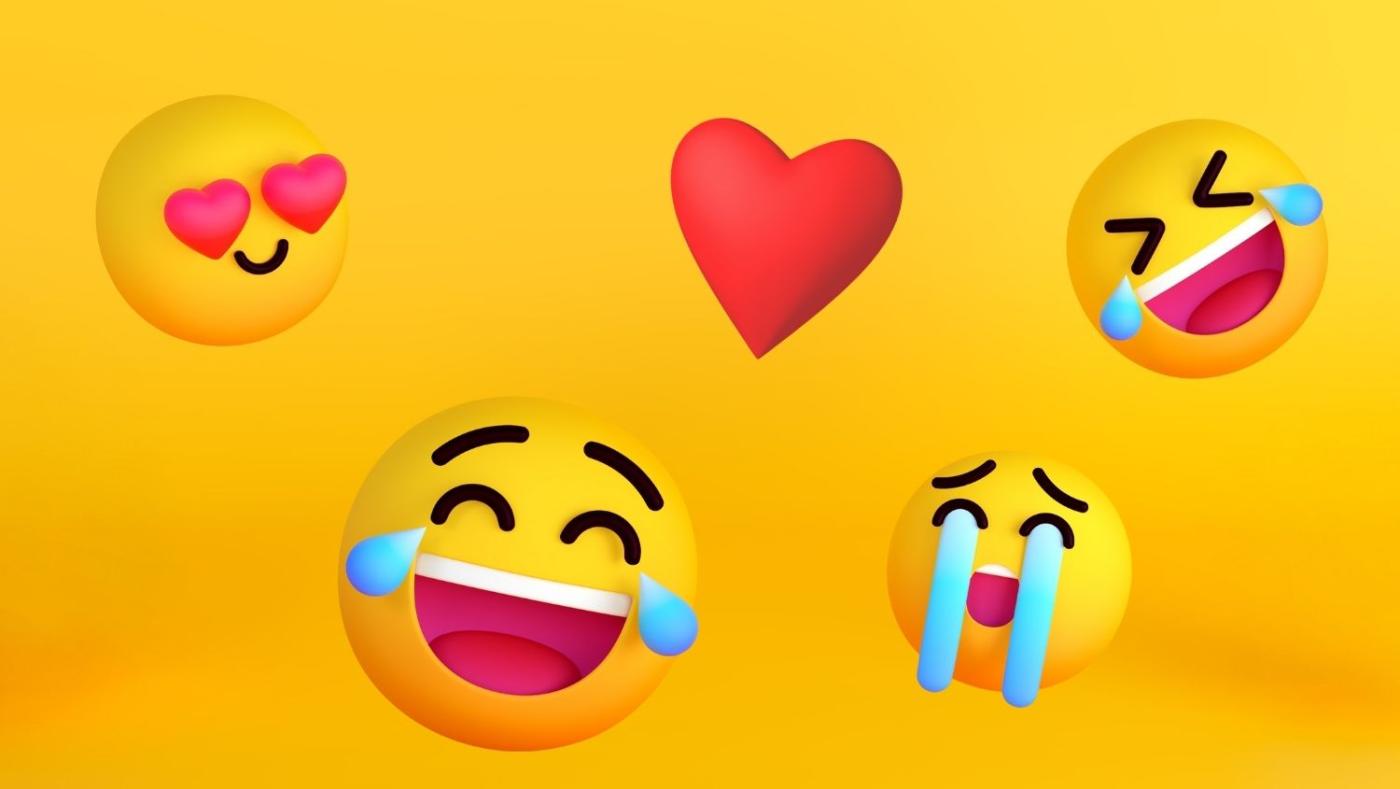
On the 17th of July, we celebrate World Emoji Day, a global language without words that has completely transformed how we communicate. Emojis, born in Japan in 1999, were created by Shigetaka Kurita for NTT Docomo's i-mode platform, a Japanese mobile phone company. Back when smartphones were still science fiction, Kurita designed an initial set of 176 emojis to add nuance, color, and emotion to text messages. His invention was a major breakthrough, especially considering the limitations of SMS back then, which only allowed plain text messages with a 250-character limit.
Kurita never imagined his creation would become a global phenomenon. As he put it: "Emojis are being used all over the world in many different ways, and the results are beyond my imagination. I’m proud and honored that this trend has its roots in what I created." In 2010, the Unicode Consortium added emojis to its standard, making them available across various platforms and operating systems. A year later, both Apple and Google released their emoji keyboards, sparking a global mass adoption.
The Use of Emojis Today: Ipsos iSay Data
To mark this day, we at Ipsos iSay ran a survey to better understand how people are using emojis today. Here’s a look at some fascinating results:
How do emojis affect communication in your messages?
An impressive 75% of participants feel that emojis improve communication (41% say they improve it significantly, while 34% think they improve it moderately). In contrast, fewer than 4 out of every 100 people believe emojis make communication worse.
What type of emojis do you use most frequently? 🤔
A whopping 76% of participants said they mainly use faces and expressions like 😄, 😋, and 😅. Hearts and love symbols ❤️💕💖 are also very popular, with 18%. Other emojis, like food and drink 🍕☕🥤 (1.8%), nature and animals 🌿🐶🐱 (1.3%), and objects and symbols 📱✈️🛍️ (less than 1%), complete the picture.
Which emoji do you use the most?
While you might think of the smiley face or heart when you think of emojis, the clear winner in popularity is the "face with tears of joy" 😂, leading with 39% of preferences. The smiling face 😊 follows with 18%, and other favorites include 🤣 (17%), 😍 (14%), and ❤️ (5%).
Conclusion:
Emojis continue to enrich and simplify digital conversations. At Ipsos iSay, we value these innovations in communication and the impact they have on our daily lives. We invite you to join our community to share your thoughts and earn rewards like gift cards and e-codes. Sign up today and make your voice heard in this global conversation!
*These results represent Ipsos iSay web visitors from 16 European countries between 15th and 17th July 2025 and may not reflect the views of the general population.