By now, the headline is a cliché: "AI is coming for your job." In April 2026, the fear is palpable. According to the Ipsos 2026 Predictions Survey, a staggering 67% of workers believe AI will lead to widespread job losses in their country this year.
But if you look closer at the data, a different story emerges, one that separates the "Victims" from the "Pilots".
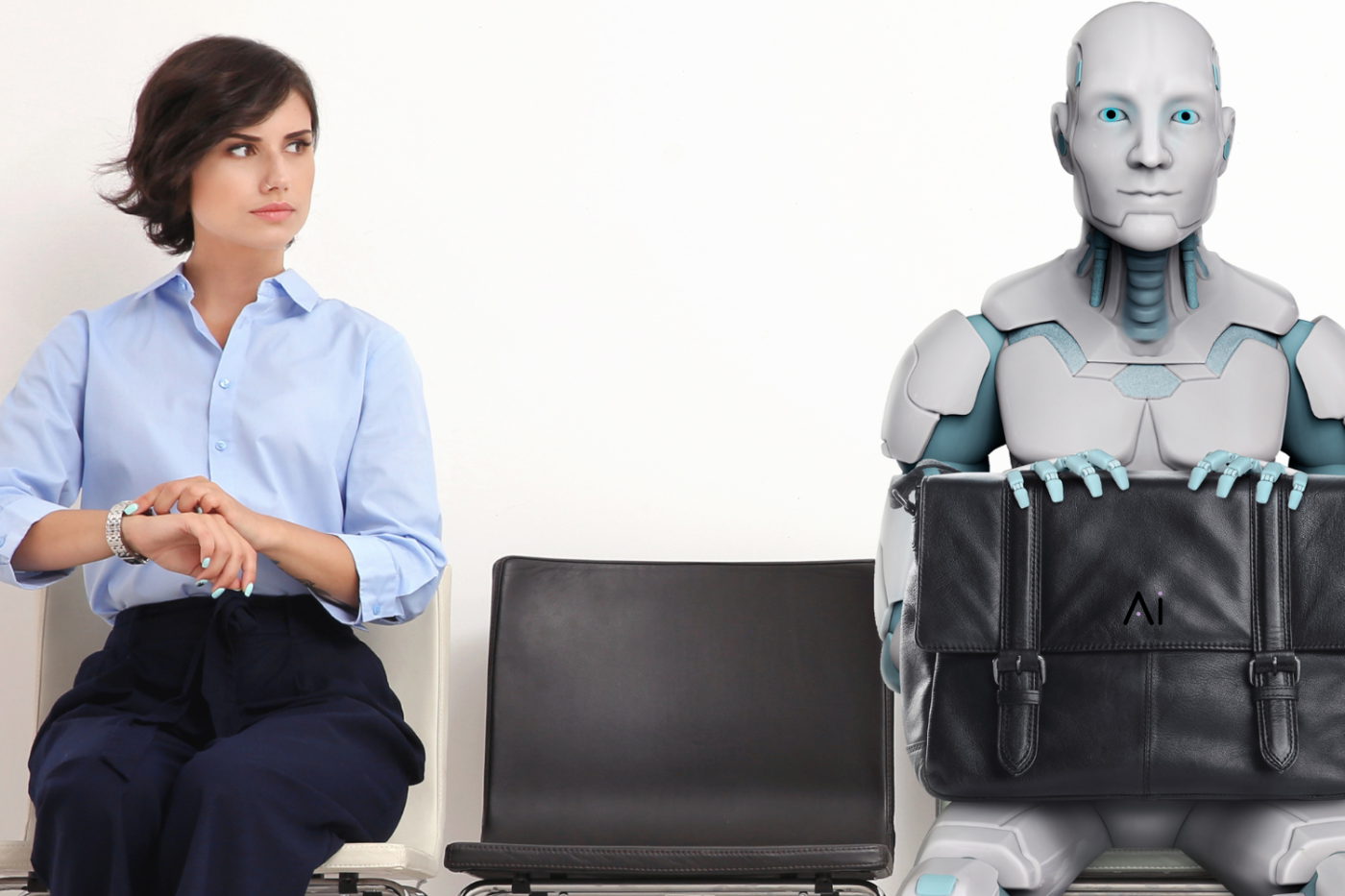
The Myth of the Replacement
The fear isn’t that a robot will take your job, it’s that your boss already has, just in a different form. Ipsos data shows a clear tension: while 71% globally believe their personal future will improve, only 49% think the economy will, and 67% expect AI to eliminate jobs. In lower-optimism markets like France (41%) and Germany (~45%), fewer people believe 2026 will be better, reflecting broader economic pessimism. The US sits differently: Americans are typically more optimistic about their own future, but Ipsos Global Trends shows only 59% feel optimistic personally and just 45% about their community, pointing to declining trust in systems. That’s why the real anxiety isn’t about technology itself, it’s about how it’s used to measure and manage people ushering in an era of algorithmic management where performance is continuously tracked, scored, and judged by systems rather than humans.
The Data Demythologizer
Here is the twist: While 67% fear loss, 43% of the same population predicts AI will actually create new roles. The "Job Apocalypse" is being demythologized in real-time. Ipsos research shows that the most resilient workers in 2026 aren't the ones fighting the tech; they are the ones using AI to automate the "Slop", the 80% of repetitive administrative tasks, to protect their "Human-Only" 20%.
Strategic Survival in 2026:
- Embrace the "Human Pilot" Identity: In the US, where consumers are now prioritizing "durable quality" over fast-fashion, the same logic applies to careers. Employers are hunting for "Durable Skills", emotional intelligence, complex negotiation, and ethical oversight.
- The "Glow Up" Economy: Interestingly, Gen Z isn't just investing in tech; they’re investing in themselves. With 60% of young men and women spending more on appearance and well-being, the 2026 workforce is realizing that "Personal Brand" is the only thing an algorithm can't replicate.
- The Recession Hedge: 48% of us expect a recession. The best hedge? Not a new AI certification, but a "Human-to-Human" network. 82% of people plan to spend more time with family and friends this year—a clear sign that as the digital world gets colder, the physical world becomes our primary currency.
The Verdict:
Your boss might use an algorithm, but they can't be one. April 2026 is the month to stop fearing the software and start mastering the "Human Pivot."
*Source: Ipsos research, conducted on 23,642 adults in 30 countries, between October 24, and November 7, 2025.
**Source: Ipsos Global Trends, conducted on 50,237 adults in 50 countries, between February 15 and April 23, 2024.