Each year, World Mental Health Day invites us to pause — to reflect, talk, and care. But as the world changes, so too does how we think about mental wellbeing.
The latest Ipsos Health Service Report 2025 paints a revealing picture: we’re talking more openly about mental health than ever before, yet challenges like access, affordability, and stress remain deeply rooted in daily life.
🌍 A Global Priority — With the UK Leading the Conversation
Across 34 countries surveyed, mental health remains one of the top three health concerns, second only to cancer and ahead of heart disease.
In the UK, 48% of respondents cite mental health as a leading concern — one of the highest levels in Europe, alongside Spain (46%) and Italy (44%).
By contrast, France (38%) and Germany (35%) show slightly lower but steady concern levels.
This elevated awareness suggests that in the UK, mental wellbeing has become a national conversation — discussed in workplaces, schools, and homes alike. Britons are also among the most likely in Europe to say that mental and physical health should be treated equally within healthcare systems.
📊 Anxiety Rising — Especially Among Younger Generations
Ipsos data reveals that stress and anxiety are increasingly common, particularly among those under 35.
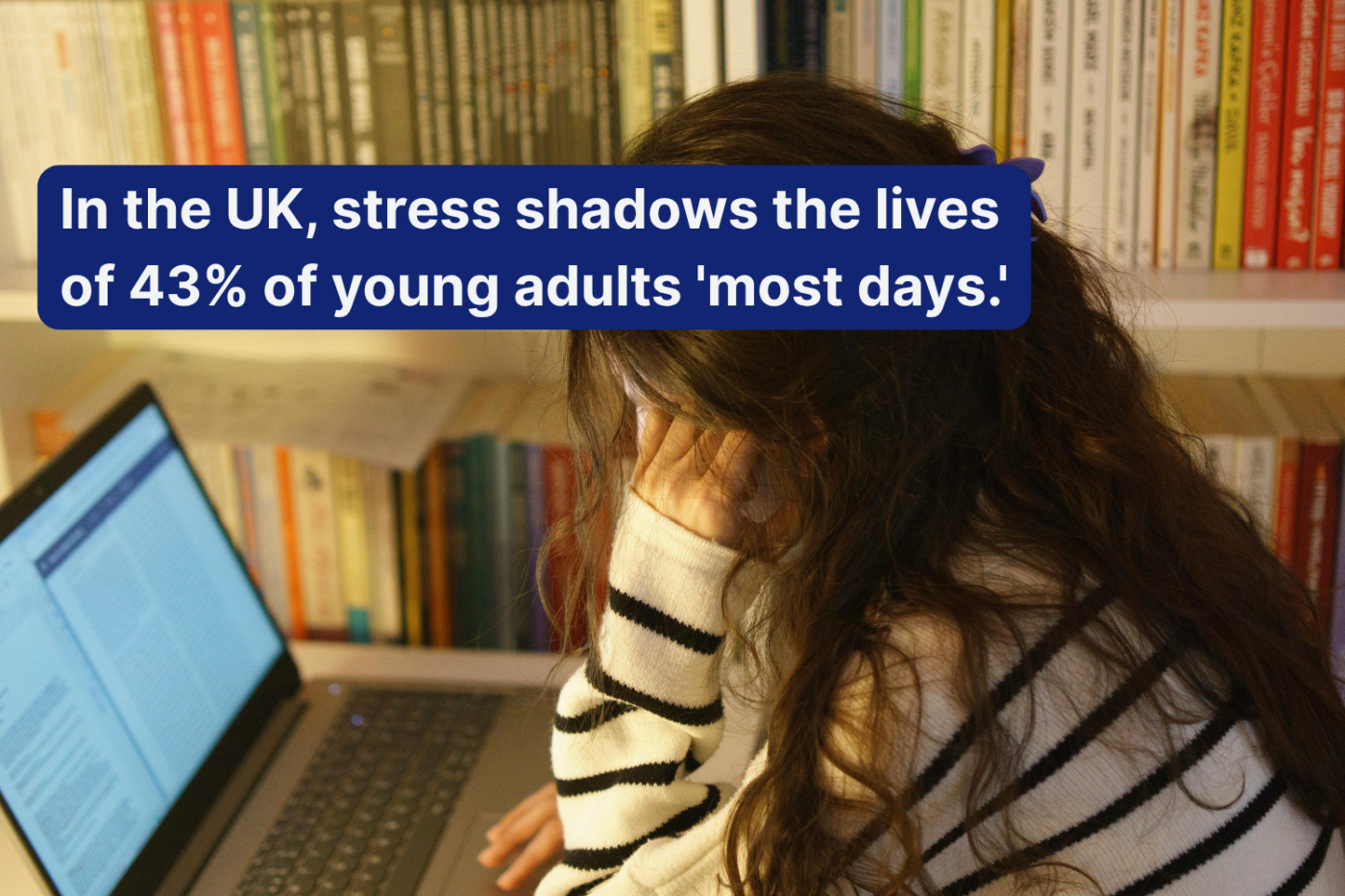
- In the UK, 43% of young adults report feeling stressed “most days.”
- Across Europe, that figure averages 39%, with higher peaks in Spain (47%) and Italy (45%).
These findings reflect a growing generational divide: while younger people are more likely to talk about mental health and seek help, they’re also more likely to experience the pressures of digital life, cost of living stress, and workplace uncertainty.
💡 Awareness Is Rising — But Access Still Lags Behind
While awareness and openness have surged, access to mental health services remains a major issue.
In the UK, 41% of respondents say cost or availability prevents them from accessing professional mental health support.
Across the EU, the average is slightly lower at 36%, but some countries show sharper barriers — Italy (44%) and France (42%), for example.
Encouragingly, Ipsos notes a steady rise in the use of digital and remote support tools, such as mental health apps and online counselling.
About 27% of UK respondents report having used digital tools for mental wellbeing — a significant jump from 20% in 2023.
This shift reflects a new comfort with blending technology and emotional care, especially among younger groups.
 🤝 The Human Shift: From Silence to Support
The 2025 Ipsos data also points to something deeply human: a cultural shift from silence to shared understanding.
Over half of respondents (52%) globally now say they feel comfortable discussing mental health with friends or family — up from 46% two years ago.
This change may seem small, but it represents a collective step forward.
Stigma is slowly breaking down, replaced by empathy and inclusion.
Workplaces, schools, and communities are creating safer spaces to talk, and the results show: those who feel supported are twice as likely to describe their mental wellbeing as “good” or “very good.”
🌱 Beyond Awareness: The Road Ahead
The Ipsos Health Service Report 2025 makes one thing clear — mental health is no longer a niche concern.
It’s a shared global priority. Yet data shows that awareness alone isn’t enough: people need sustainable access, affordable care, and communities that truly listen.
This World Mental Health Day, take a moment not just to care for yourself — but to reach out, listen, and connect.
Progress isn’t just measured in statistics.
It’s in every honest conversation, every shared story, and every step toward a world where mental health is simply health.
💬 Explore more Ipsos insights on global wellbeing →
Source: Ipsos study, conducted among 23,274 adults aged 16–74 in 34 countries between January and March 2025.