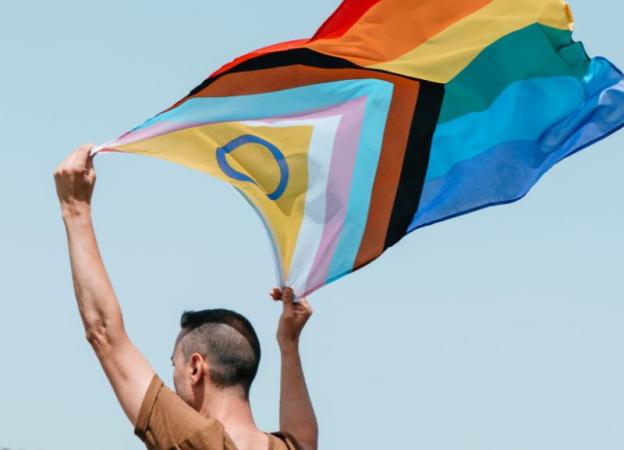
As Pride Month unfolds, we’re taking a closer look at the Ipsos Pride 2025 report, a study conducted in 26 countries. This report offers an insightful exploration of the evolving landscape of LGBT+ rights, identifying both advancesand setbacks in recent years. This report provides crucial data to better understand the current state of affairs and pinpoint the ongoing challenges faced by the LGBT+ community, both in Canada and around the world.
With Ipsos iSay, you can contribute to impactful research like this and shape future trends with your insights and opinions. Plus, enjoy earning rewards as you make your voice heard. Haven't joined yet? Sign up today and be part of the conversation!
Support for LGBT+ Rights: Where Do We Stand?
Despite the ongoing 'culture wars' and rising national polarization, Canadians’ support for LGBT+ rights remains relatively strong, although there have been some notable declines since 2021.
Globally, there is considerable public support for fundamental rights like marriage equality, with more than half (54%) expressing favor. In Canada, support is higher than in the global statistics, as over two-thirds (68%) of Canadians agree that same-sex couples should be allowed to marry legally.
Additionally, nearly half of the global population (47%) supports the right of LGBT+ individuals to openly express their sexual orientation and gender identity. In Canada, this supportive stance is again higher at 53%, but it marks a decrease from 61% in 2021.
More than Half Stand Against Discrimination
Globally, 7 in 10 people agree that lesbian, gay, bisexual, and transgender individuals should be protected from discrimination in employment, housing, and access to businesses such as restaurants and shops. In fact, about half of the global population (51%) supports laws that prohibit such discrimination, with Canadian numbers (55%) slightly higher than worldwide support.
However, about two-thirds of Canadians (65%) and the global population (66%) still recognize that transgender people face discrimination in today's society.
Where is Support Lacking?
Despite progress in many areas, support remains limited in certain key issues, and in some cases, it's seen a marked decline. A notable example is the participation of transgender individuals in sports, where only 2 in 10 people globally (22%) agree that they should compete based on their gender identity. This represents a significant drop from the 32% who supported this in 2021.
Another point of contention is access to single-sex facilities, such as public restrooms. In Canada and globally, 47% believe transgender individuals should have the right to use facilities that align with their identified gender, highlighting a divide in public opinion on this issue.
Brands and Media Representation
Considering recent national discussions on Diversity, Equity, and Inclusion (DEI) initiatives, the support for brands actively promoting LGBT+ equality seems to have waned. Just under half of Canadian (44%) support brands advocating for equality, while 21% oppose it, and about a third of the population is undecided on the issue. Globally, enthusiasm has similarly waned – from 49% in favor in 2021 to just 41% by 2025.
When it comes to media representation, the desire for more LGBT+ characters in television, film, and advertising has also diminished. Currently, only 37% of Canadians and 29% of people worldwide support increased representation, representing a decrease since 2021. However, this decline may indicate either a belief that representation has reached adequate levels or even a backlash against perceived “overrepresentation.”
Gen Z Leads Support, But There Are Divisions
Generation Z (born between 1996 and 2012), often regarded as a diverse and progressive cohort, shows strong support for LGBT+ rights, yet there are notable divisions within. Gen Z women are particularly supportive, with 59% globally advocating for LGBT+ individuals to be open about their sexual orientation and gender identity. This contrasts with only 38% of Gen Z men sharing the same view.
How Many LGBT+ People Are There in the World?
Globally, about 9% of the population identifies as part of the LGBT+ community, reflecting a substantial and diverse group. In Canada, this figure is higher, with 14% of adults identifying as LGBT+. The community encompasses a wide range of identities, including lesbian, gay, bisexual, pansexual, asexual, transgender, and nonbinary/gender non-confirming/gender-fluid individuals.
Conclusion: An Uncertain Future
The path to progress is often filled with potholes and roadblocks, and the global journey toward equal rights and full acceptance for the LGBT+ community is no exception. Although support for LGBT+ rights and inclusion remains robust, it has experienced a decline, compared to a few years ago. Whether public acceptance of various LGBT+ issues will continue to waver as the decade progresses remains to be seen. What remains clear? The fight for rights and acceptance is far from over, with a continued need to advocacy and action.
Now more than ever, it's crucial to make your voice heard and engage with your opinion. At Ipsos iSay, you can share your thoughts on the things that matter to you and influence the world around you by taking surveys.
Source: Ipsos Global Advisor survey conducted April 25 to May 9, 2025 on 19,028 adults in 26 countries.