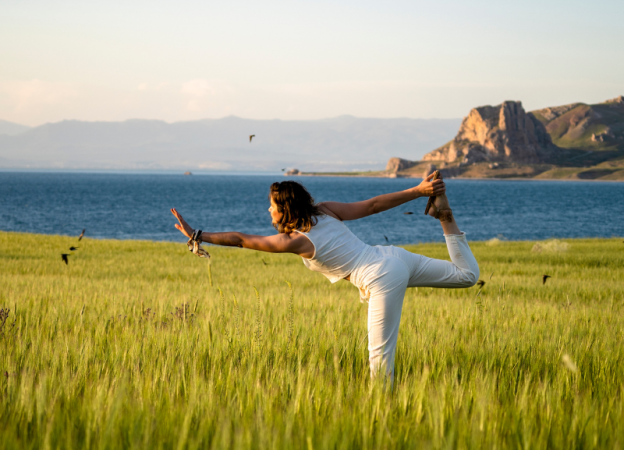
Mindfulness and meditation have become central to conversations about health and balance. These practices support both the mind and body and help people manage stress, process emotions, and focus on the present moment. Still, it can feel difficult to make mindfulness a consistent part of everyday life. Busy schedules, constant distractions, and the challenge of building new habits often stand in the way.
To understand how people approach mindfulness meditation, Ipsos iSay asked members* about their interest, practices, routines, and strategies that keep them consistent. The responses highlight how meditation can help people live more centered lives while showing that mindfulness practice looks different for everyone.
Interest in Mindfulness and Meditation
Many people are turning to mindfulness meditation as part of their well-being routines. According to the survey, 66% of respondents said they are either practicing or interested in learning more. Another 34% reported that they are not currently engaged with meditation practices.
This growing interest in stress-reducing strategies aligns with broader findings about who is feeling stress in America the most. The pressures of modern life continue to weigh heavily on various demographics, and mindfulness has emerged as a practical tool for emotional resilience and mental clarity.
Popular Mindfulness and Meditation Practices
People use a wide range of mindfulness exercises and meditation techniques to stay grounded.
Guided Meditation
Structured guidance helps many people focus. In the survey, 27% said guided meditation is part of their routine.
Mindful Breathing
Breathing exercises are among the most common mindfulness practices. Nearly half of respondents, 49%, practice mindful breathing to anchor attention and calm the mind.
Body Scan Meditation
This type of meditation involves scanning sensations throughout the body without judgment. About 16% said they use this technique to release tension and become more aware of their physical state.
Loving-Kindness Meditation
Compassion-based practices also play a role. According to the survey, 24% said they use loving-kindness meditation to cultivate positive feelings toward themselves and others.
Visualization Exercises
Mental imagery is another tool. About 30% rely on visualization exercises to support relaxation and focus.
Walking Meditation
Movement can help connect mind and body. The survey found that 45% practice walking meditation, bringing awareness to each step.
Calming Apps or Online Videos
Technology is also part of many routines. About 32% use calming apps or video resources to support regular practice.
Practicing Yoga
Yoga blends physical activity with mindfulness. In the survey, 28% said they practice yoga as a form of meditation and stress reduction.
Mindful Eating
Daily activities can also become mindful practices. About 28% said slowing down during meals helps them engage in meditation.
Other / None
Not everyone uses these practices. About 10% said none of the listed activities applied to them, while 2% selected “other.”
Frequency of Mindfulness and Meditation
The amount of time people dedicate to mindfulness meditation varies.
Daily
About 30% said they practice meditation every day, weaving mindfulness into daily life.
Several Times a Week
Nearly half of respondents, 48%, reported practicing several times a week.
Once a Week
For 10%, mindfulness shows up once a week.
Less Than Once a Week
Another 13% said they engage in meditation less often.
Tips That Help People Stay Consistent
Turning mindfulness into a regular habit can be challenging. The survey highlights which strategies help most.
Regular Schedule
Consistency often comes from routine. About 45% said setting a regular schedule or time each day helps them stay on track.
Maintaining a work-life balance can significantly influence the ability to stay consistent with mindfulness routines. Balancing responsibilities and personal well-being enables people to carve out time for meditation and focus.
Meditation Apps and Guided Recordings
Technology plays a role in accountability. About 30% said apps and guided recordings help them keep a steady meditation practice.
Dedicated Practice Space
The environment also matters. According to the survey, 32% said creating a dedicated space supports their mindfulness sessions.
Combining with Daily Activities
Meditation does not always need to be separate. About 43% said they combine mindfulness with other activities, such as mindful eating or walking.
Practicing with a Group or Partner
For some, accountability is key. About 22% said they practice with a group or partner to maintain consistency.
Journaling
Reflection is another tool. About 25% said they keep a mindfulness journal or log to track progress and feelings.
Reducing Distractions
Many find focus by limiting interruptions. About 45% said turning off devices helps them stay present during meditation.
Other / None
Not all strategies apply. About 9% said none of these worked for them, while 1% selected “other.”
Your Mindfulness and Meditation Check-In
The Ipsos iSay community results show strong interest in meditation and mindfulness. Two-thirds of people are exploring or practicing, and almost half engage multiple times a week. Breathing exercises, walking meditation, and guided sessions stand out as popular choices. Techniques like scheduling, using apps, and creating a practice space help turn mindfulness into a consistent habit.
As you think about your own meditation practice, reflect on what works and what feels sustainable. Mindfulness can help reduce stress, improve focus, and bring balance to daily life.
Explore small steps, find what fits, and share your perspective through future Ipsos iSay surveys.
*Source: Ipsos study conducted July 10 - 14, 2025, on 1,000 US Ipsos iSay members