Bullying has always been an issue in schools, but now it’s taken on a whole new dimension.
With the rise of technology, bullying can happen anytime, anywhere—sometimes right under the noses of parents and teachers.
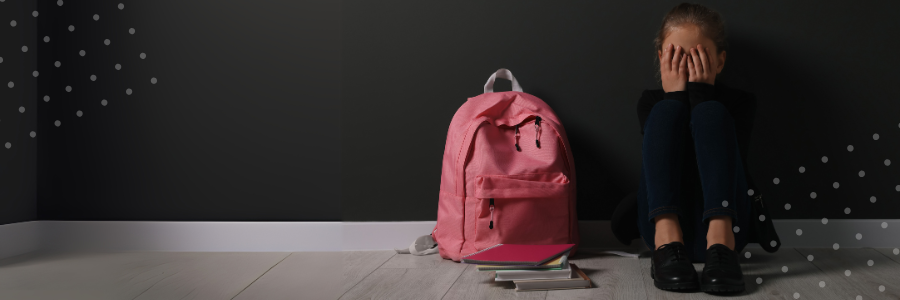
This raises a critical question: how do we protect students in an increasingly connected world where bullying is no longer confined to the schoolyard?
For both parents and educators, the challenge is daunting. They know that bullying, whether physical or digital, can have lasting consequences on a child’s mental and emotional health.
So, what can they do to stop it?
Are Schools Doing Enough to Protect Students?
Across 30 countries, 59% of people believe schools should take the lead in tackling bullying. In Britain, that number rises to 73%, with a clear majority expecting schools to ensure students are safe from bullying.
But is that fair?
Are schools equipped to handle such a responsibility on their own?
After all, students spend more than half of their time outside of school, where bullying—especially online—can easily occur. And yet, schools are increasingly expected to provide not just academic education but also emotional and social support.
For many, creating safe spaces within schools is the foundation of preventing bullying.
But for teachers who are already stretched thin, how realistic is this expectation?
Teaching Manners and Morals: A Solution to Bullying?
Beyond creating safe environments, many believe the solution lies in teaching values.
Manners, politeness, and basic respect for others—these are lessons that can go a long way in stopping bullying before it starts. We should remember that schools were never just about reading and math. They're also expected to help shape kids into kind, empathetic individuals.
But whose job is it to teach these values?
According to the Ipsos Education Monitor 2024, the majority of people across 30 countries (72%) believe that teaching moral and ethical values is primarily the responsibility of parents, while 23% think it should be the responsibility of teachers and schools. This suggests that there is a general consensus that moral education is mainly a parental duty, although there is some recognition of the role that schools can play. Teaching respect and empathy isn’t just about being nice in the classroom—it’s about preparing students to navigate a world where they’ll interact with all kinds of people, both in person and online.
So, is moral education the key to solving bullying?
And if so, how do we balance it with the need for academic success?
The Digital Dilemma: Social Media’s Role in Bullying
Here’s where things get complicated.
In the past, bullying was something that happened face-to-face.
Now, with social media, it can follow children home, continuing after school hours and often in secret. A recent Ipsos study shows that 65% of people across 30 countries support banning social media for children under 14, both inside and outside of school. In the UK, support is also significant, with 63% in favor of such a ban.
With the vast majority agreeing, you have to wonder: how did social media become such a big part of young kids’ lives in the first place?
It’s easy to see why there’s such widespread concern.
Social media gives bullies a platform, and the anonymity it provides makes it easier for them to say things they wouldn’t dare say in person. But social media isn’t going anywhere. Kids are growing up in a digital world, and completely banning it might not be the most practical solution.
So, what can be done?
How do we teach children to use these platforms responsibly, while protecting them from the darker side of the digital world?
It's a question many parents and teachers are grappling with.
Who Teaches Digital Literacy and Online Safety?
As technology becomes a bigger part of kids’ lives, the question of who should teach online safety becomes more pressing. Nearly two-thirds of Baby Boomers and Gen X believe that responsibility should fall primarily on teachers. It makes sense—schools already handle a lot of the “life skills” training, so why not add digital literacy to the list?
But it’s not just about showing kids how to navigate the web. It’s about teaching them how to behave online—how to recognize cyberbullying, how to protect their privacy, and how to think critically about what they see and share.
This kind of digital literacy is becoming just as important as traditional reading and writing.
Yet, should teachers really carry the full burden of teaching online safety? Or do parents need to step up, too?
Parents: A Crucial Part of the Equation
While many place the responsibility for bullying prevention on schools, about a third of people believe parents should take the lead.
And that makes sense.
After all, parents are often the first to notice changes in their child’s mood or behaviour. They’re the ones who can provide support at home, teaching their children empathy and kindness long before they step foot in a classroom.
But this isn’t just a school problem or a home problem—it’s likely both. Parents and educators need to work together, forming a partnership that reinforces the same values. This collaboration can make all the difference in identifying and addressing bullying before it gets out of hand.
What does this partnership look like in practice?
Open lines of communication, regular check-ins, and a shared understanding that protecting children from bullying is a team effort.
Looking Ahead: A Collective Approach to Bullying Prevention
As we look toward the future, one thing is clear: preventing bullying requires a united front.
Schools must continue creating safe spaces and teaching ethical behavior, while parents play their part at home. In a world where kids are more connected than ever, this collective effort is more important than it’s ever been.
Stopping bullying isn’t just about punishment. It’s more about teaching respect, both in the real world and the online one. It’s about guiding children to be empathetic, kind, and responsible—qualities that will serve them well throughout their lives. Together, parents and educators can ensure that every child grows up in an environment that is not only safe but also supportive.
So, the next time we think about how to tackle bullying, maybe the better question is: What can we all do to make sure our children grow up in a world where respect is the rule, not the exception?
And what about you?
Have you seen the impact of bullying in today’s digital world, or do you have ideas on how schools and parents can work together to prevent it?
Share your thoughts by participating in research with Ipsos iSay. Head over to your dashboard and check out the latest available surveys today!
The Ipsos research shared in this article has been sourced from an Ipsos study, on 23,754 adults, across 30 countries, interviewed 21 June – 5 July 2024.